if
The Galleries of Justice Museum in Nottingham attracts around 70,000 visitors a year. Dedicated to prisoner art, the museum displays works and artifacts from prisoners. From a shirt worn by one of the Kray twins to artwork from Long Kesh by IRA inmates, the collection spans the British penal system. There is a noose and trapdoor from Wandsworth prison along with a list of executed prisoners to represent capital punishment. Visitors will also find Oscar Wilde’s cell door from Reading jail.
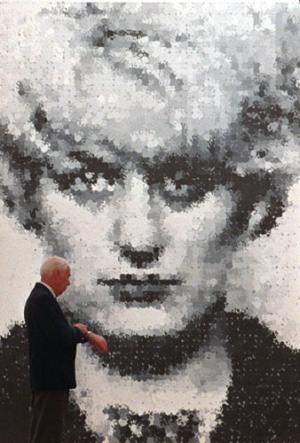
Tim Desmond, the chief executive of the museum, which was founded 15 years ago and won the first Gulbenkian Prize for museums and galleries, says that the aim of the exhibition is not to “create a folklore around any one prisoner” but to illuminate prison life. However the notoriety of some prisoners cannot be ignored. This may be why the museum has displayed a piece by the infamous moors murderer, Myra Hindley.
The porcelain pig entitled “China Pig” has a plaque alongside it, simply stating that the piece was made during a prisoner art session. In fact it was made by Hindley and has been on display since 2005. The piece was originally bought by the governor of Durham prison and donated to the museum four years ago.
Bev Cooper, a curator at the museum says “We don’t want to sensationalise or glamourise this. He bought it and donated it to us, to the relief of his wife who had hated it. I don’t know if it was because she thought it was ugly or because of its associations, but she was glad to see the back of it.”
So should the moral character of the artist be taken into account when viewing a piece of art? Inevitably it will be and now that the artist behind “China Pig” has been made public, people will stare at it trying to gain an insight into the psyche of a notorious murderer.
